
Showing posts with label colorectal cancer. Show all posts

Friday, February 16, 2018

Understanding Colon Cancer is Fighting Colon Cancer

The beginning of a new year is typically the time for fresh starts and new promises, it is also the perfect opportunity to consider our personal health and what we can be doing to better. Sure, squeezing a few workouts into our busy schedule and focusing on a healthy diet are all wonderful starts to improving our health and well-being. Another key ingredient to bettering ourselves is seeking education on the potential threats to our health.
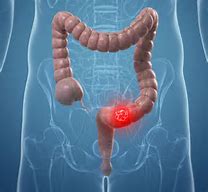
Understanding colon cancer

One risk to countless Americans today is colon cancer. According to the trusted resource My Colon Cancer Coach, colon cancer occurs when malignant cells form in one or more layers of tissue in the longest part of the large intestine, or the colon. This usually occurs as premalignant polyps grow larger and more harmful over several years, eventually developing a malignant tumor.

Physical warning signs for colon cancer often include the presence of blood in or on the stool, shifts in normal bowel habits, an unknown cause of weight loss, and increases in stomach discomfort from more-than-usual bloating, gas, or cramps.

The best way to prevent colon cancer is to be aware of the importance of early detection and screening. Getting frequently checked by a qualified doctor is the best way to identify colon polyps early, before they develop into cancer. This is especially crucial if your family history indicates colon cancer, if you have inherited colon cancer symptoms, and if you are over the age of 50.

colon cancer prevention

Our health shouldn’t be something that we start in January, quickly lose motivation for, and abandon by March. On the contrary, our personal health and wellbeing should always be a top priority, whether or not it’s a renewed New Year’s Resolution. The best way to safeguard your health is to stay educated on its potential threats and what you can do if harmful diseases come your way.

For more information on colon cancer and what you can be doing to prevent this dreaded illness, talk to your friends and experts at Justin McCarthy, M.D, who give you medical treatment you can trust. Call today at 806-761-0722 or schedule an upcoming appointment to discuss your questions on colon cancer.

Wednesday, October 26, 2016

Colonoscopy: A Life-Saving Test

Colonoscopies
Colonoscopies are an important part of routine preventative care in the United States. Most doctors recommend getting a colonoscopy roughly once every 10 years, beginning at age 50. Individuals who have a higher risk of colorectal cancer, or who have gastrointestinal symptoms, may need to be tested at a younger age, or more often. Although preparing for a colonoscopy and the procedure itself are generally seen as an inconvenience, screening for colorectal cancers has saved countless lives and prevented the progression of serious disease.

Colon Cancer: A slow but silent killer
The American Cancer Society estimates that roughly 1 in 21 men and 1 in 23 women in America will develop colorectal cancer, making it the second-most common cause of cancer-related death. Sadly, nearly 50,000 Americans die of colorectal cancer each year in the United States. The good news, however, is that death rates have been steadily falling thanks to preventative screening, early detection, and improved treatment. Colorectal cancers are difficult to prevent and detect in a timely manner without professional screening, because they usually cause very few symptoms early on.

Colonoscopy: How it saves lives
Colorectal tumors and polyps can take a long time to grow and spread. A polyp can take up to 15 years to turn into cancer. Small polyps found during a colonoscopy can be removed during the screening, before they have a chance to become cancerous. Even if early cancer is found during a colonoscopy, treatment and 5-year survival rates are up to 90%. However, once colon cancer spreads, it becomes very difficult to treat.

The Test: How it works
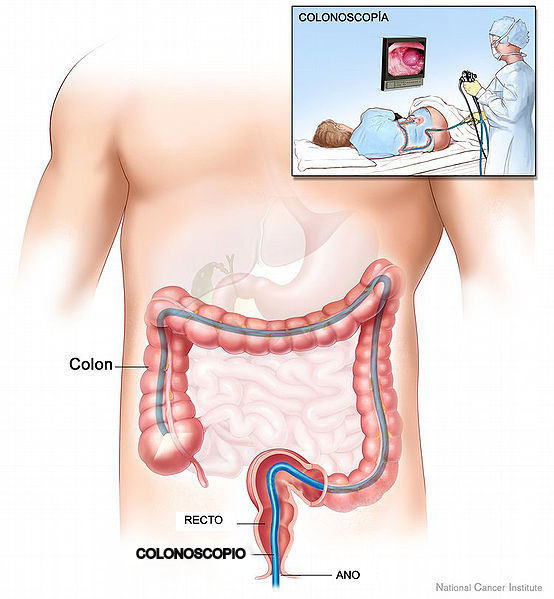
A colonoscopy is done by a doctor, usually a gastroenterologist, in a private room of a hospital or medical clinic. The test itself usually takes less than an hour. Medication is usually given to ease discomfort. The day before the test, the colon is prepped at home with special instructions for diet, liquid, and medication. This is important for the clearest view of the colon during the test and for the most accurate results.

A flexible tube is placed in the colon and air is blown into it to keep it open. Your doctor will study images from the inside of the colon and look for any areas of concern. To read further details about the test itself, visit the National Institutes of Health’s colonoscopy page.

A colonoscopy is an easy way to take proactive control of your health. Schedule your test with Dr. Justin McCarthy’s office at (806) 761-0722. Dr. McCarthy has been practicing gastroenterology and hepatology in Lubbock, Texas, since 1992. Visit his website, blog, or Facebook page to learn more about his practice, as well as more useful information about gastrointestinal health!