Showing posts with label justin mccarthy m.d.. Show all posts

Monday, January 16, 2017

Healthy Gut, Healthy Brain

With today’s busy lifestyles, brain fog can make our days sluggish and unproductive. Difficulty focusing is often blamed on lack of sleep or hectic schedules. While these factors may be partly to blame, many people are unaware that the root of the problem could be based in their gut. Having a healthy gut is a key to having a healthy brain. 

The Gut-Brain Connection
BrainIt’s safe to say that the brain is the “supercomputer” for all the body’s functions, however, we don’t often think that a healthy digestive tract will play a part in a having better mental clarity. The gut manufactures the neurotransmitter serotonin, which regulates mood. If the body has a serotonin deficiency, it can cause anxiety, depression and a general brain fog. There are two common causes of imbalances in the gut: infections and diet. 

Infections 
Candida and small intestinal bacterial overgrowth (SIBO) are the two most common gastric infections.  Candida is an overgrowth of yeast. This can be caused by taking antibiotics, eating a diet high in carbohydrates, drinking too much alcohol and even birth control usage. The overgrowth of yeast coats the lining of the intestinal tract and suppresses the ability to manufacture or secrete serotonin. It can also create chemicals that are actually toxic to the brain. A diet high in sugar, refined carbohydrates and alcohol typically causes SIBO. It can also cause a deficiency in the vitamin B12 which also helps to stabilize mood and focus. 

Diet
The highly processed American diet can create poor psychological symptoms. Casein, a protein found in dairy and gluten, which is found in wheat, barley and rye, can create inflammation and gut leakage. This leakage can impact the brain and affect mood. It also makes it difficult to absorb nutrients which can lead to extreme vitamin deficiencies including omega-3 fatty acids, zinc and the B vitamins - all of which are an important part in brain health and mood stabilization.  

Are you struggling with brain fog or mood disorders? It might not be your brain. Contact Dr. Justin McCarthy in Lubbock, Texas to discuss your symptoms. Using the latest diagnostic testing, we can help you determine if the issue is gut related. Once diagnosed, we can work with you to create an appropriate treatment plan for a healthy gut and enhanced mental clarity.  

Wednesday, November 23, 2016

Bladder Health Month Tips

Bladder Health Month Tips
November helps serve as a helpful reminder to keep your bladder healthy before a problem occurs. Your bladder looks like a deflated balloon that expands as it fills with urine. The bladder can hold about 400-600 milliliters of urine depending on age. When it is full, the bladder is the size and shape of a pear.  

Here are some tips to keep your bladder healthy:
  1. 4-8 trips to the bathroom daily are normal. Any more than this could point to a problem that should be addressed with a doctor.
  2. Drink 6 to 8 cups of water daily
  3. Coffee, tea, alcohol, and soda lead to increased bladder activity. Reduce consumption of these when possible.
  4. Drink cranberry juice instead! Ingredients in the juice can keep bacteria from living in the urinary tract, preventing UTIs.
  5. Make sure to take the time to completely empty your bladder when using the bathroom. If you don’t, this can lead to an infection.
  6. Don’t smoke! Smoking increases the chance of bladder cancer among other cancers and conditions.
Some bladder issues throughout one’s life are a natural part of aging. Lowerurinary tract (LUTS) can cause trouble urinating, leaking urine, and more frequent urination. The most common issue in bladder health is bladder infections or UTI. This occurs when bacteria enter the bladder causing an infection. This will cause strong, sudden urination.

Bladder cancer is the 4th most common cancer with 76,960 new cases estimated in 2016. The most common symptom of bladder cancer is blood in the urine. This usually leads to an early diagnosis and easier treatment.

If you have any concern regarding the health of your bladder seek the help of a professional. Dr. Justin H. McCarthy specializes in gastroenterology and other internal medicine. Mr. McCarthy is an affiliate of Covenant Medical Center and University of Medical Center. His office is located at 2424 50th Street in Lubbock, Texas. The office is open from 8 am – 5 pm Monday through Thursday and 8 am – noon on Fridays. We are currently closed on weekends. To find out more about Dr. McCarthy’s services or to schedule an appointment call (806) 761-0722. 

Wednesday, October 26, 2016

Colonoscopy: A Life-Saving Test

Colonoscopies
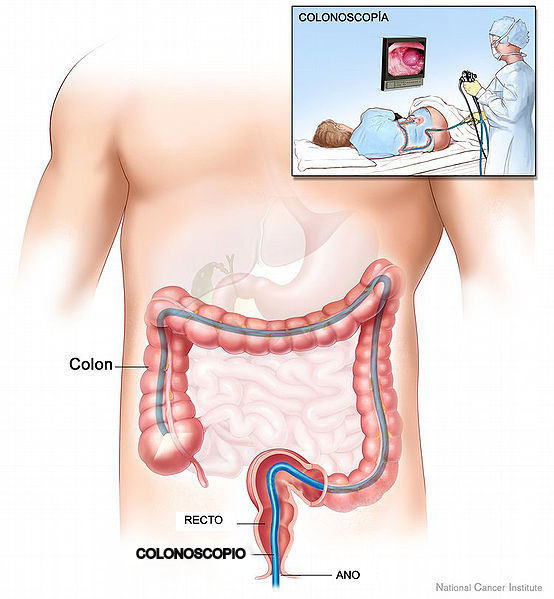
Colonoscopies are an important part of routine preventative care in the United States. Most doctors recommend getting a colonoscopy roughly once every 10 years, beginning at age 50. Individuals who have a higher risk of colorectal cancer, or who have gastrointestinal symptoms, may need to be tested at a younger age, or more often. Although preparing for a colonoscopy and the procedure itself are generally seen as an inconvenience, screening for colorectal cancers has saved countless lives and prevented the progression of serious disease.

Colon Cancer: A slow but silent killer
The American Cancer Society estimates that roughly 1 in 21 men and 1 in 23 women in America will develop colorectal cancer, making it the second-most common cause of cancer-related death. Sadly, nearly 50,000 Americans die of colorectal cancer each year in the United States. The good news, however, is that death rates have been steadily falling thanks to preventative screening, early detection, and improved treatment. Colorectal cancers are difficult to prevent and detect in a timely manner without professional screening, because they usually cause very few symptoms early on.

Colonoscopy: How it saves lives
Colorectal tumors and polyps can take a long time to grow and spread. A polyp can take up to 15 years to turn into cancer. Small polyps found during a colonoscopy can be removed during the screening, before they have a chance to become cancerous. Even if early cancer is found during a colonoscopy, treatment and 5-year survival rates are up to 90%. However, once colon cancer spreads, it becomes very difficult to treat.

The Test: How it works
A colonoscopy is done by a doctor, usually a gastroenterologist, in a private room of a hospital or medical clinic. The test itself usually takes less than an hour. Medication is usually given to ease discomfort. The day before the test, the colon is prepped at home with special instructions for diet, liquid, and medication. This is important for the clearest view of the colon during the test and for the most accurate results.

A flexible tube is placed in the colon and air is blown into it to keep it open. Your doctor will study images from the inside of the colon and look for any areas of concern. To read further details about the test itself, visit the National Institutes of Health’s colonoscopy page.

A colonoscopy is an easy way to take proactive control of your health. Schedule your test with Dr. Justin McCarthy’s office at (806) 761-0722. Dr. McCarthy has been practicing gastroenterology and hepatology in Lubbock, Texas, since 1992. Visit his website, blog, or Facebook page to learn more about his practice, as well as more useful information about gastrointestinal health!

Wednesday, August 31, 2016

Why Should I Be Concerned About H. Pylori?

H. Pylori
On-going digestive issues such as H. Pylori can be overwhelming for the sufferer and often take time to diagnose because symptoms can mimic those of other gastrointestinal discomforts. H. pylori, or Helicobacter pylori, is a bacterium that can be found in the intestinal tract of humans. It is often dormant for an extended period of time, causing little to no issues or discomfort. H. pylori is thought to spread by unknowingly consuming food that has been contaminated with fecal matter.

Normally, the H. pylori bacterium enters the body in early childhood (before the age of 10). However, many people are not affected by an infection until adulthood. When an infection occurs, it causes a release of toxins that can create chronic inflammation of the stomach and small intestine lining leading to severe ulcerations.

The most common symptoms of H. pylori include:
  • Abdominal pain and discomfort (normally upper abdomen)
  • Bloating
  • Lack of appetite or feeling full after consuming very small portions
  • Nausea
  • Vomiting
  • Dark colored stool
  • Low blood count (caused by ulcers)
  • Fatigue

If your doctor suspects an H. pylori infection, he or she will test for the bacteria. This can be done through a blood test, urea breath test, stool test or stomach biopsy.
  • Blood antibody test – During this test, a blood sample is drawn and tested in the laboratory for the antibodies the body produces to fight the infection. 
  • Urea breath test – This test measures breath samples for the enzyme urease, which breaks down into ammonia and carbon. The patient is asked to swallow a urea tablet and the breath carbon dioxide output is measured.
  • Stool antigen test – The patient is asked to supply a small stool sample which will be tested for the antigens the body produces to fight the infection.
  • Stomach Biopsy – During this endoscopic procedure, a small sample of the stomach lining and small intestines is taken and tested for the presence of the bacterium. 

The only treatment for H. Pylori is antibiotic medications. Because of this, it is important to consult a trusted gastroenterologist who can administer the appropriate testing and treatment plan. If you or someone you know is suffering from the symptoms of H. pylori, contact Dr. Justin McCarthy today to schedule a test. For more information, visit our website or call 806-761-0722.