
Friday, February 16, 2018

Understanding Colon Cancer is Fighting Colon Cancer

The beginning of a new year is typically the time for fresh starts and new promises, it is also the perfect opportunity to consider our personal health and what we can be doing to better. Sure, squeezing a few workouts into our busy schedule and focusing on a healthy diet are all wonderful starts to improving our health and well-being. Another key ingredient to bettering ourselves is seeking education on the potential threats to our health.
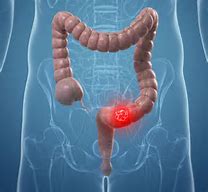
Understanding colon cancer

One risk to countless Americans today is colon cancer. According to the trusted resource My Colon Cancer Coach, colon cancer occurs when malignant cells form in one or more layers of tissue in the longest part of the large intestine, or the colon. This usually occurs as premalignant polyps grow larger and more harmful over several years, eventually developing a malignant tumor.

Physical warning signs for colon cancer often include the presence of blood in or on the stool, shifts in normal bowel habits, an unknown cause of weight loss, and increases in stomach discomfort from more-than-usual bloating, gas, or cramps.

The best way to prevent colon cancer is to be aware of the importance of early detection and screening. Getting frequently checked by a qualified doctor is the best way to identify colon polyps early, before they develop into cancer. This is especially crucial if your family history indicates colon cancer, if you have inherited colon cancer symptoms, and if you are over the age of 50.

colon cancer prevention

Our health shouldn’t be something that we start in January, quickly lose motivation for, and abandon by March. On the contrary, our personal health and wellbeing should always be a top priority, whether or not it’s a renewed New Year’s Resolution. The best way to safeguard your health is to stay educated on its potential threats and what you can do if harmful diseases come your way.

For more information on colon cancer and what you can be doing to prevent this dreaded illness, talk to your friends and experts at Justin McCarthy, M.D, who give you medical treatment you can trust. Call today at 806-761-0722 or schedule an upcoming appointment to discuss your questions on colon cancer.

Tuesday, January 9, 2018

New Year’s Resolution: More Fiber!

2018 is a New Year, with the potential for a healthier New You. Many people choose to set their New Year’s Resolutions with their health in mind. Some resolve to quit smoking or other bad vices, others aim to exercise more and eat healthier foods. One way you can improve your health through your diet is by adding fiber. Eating more fiber offers a variety of health benefits. Read on to discover why you should focus on adding fiber to your diet.

Can Help with Weight Loss
Even if you make no changes to your diet other than increasing your fiber intake, you will still see the difference in your waistline. Foods that are rich in fiber will fill you up faster and keep you satisfied longer, while also preventing your body from absorbing some of the calories in the foods you eat. In addition to helping you shed pounds, a high-fiber diet will also help you maintain that healthier weight over time.

Lowers Risk of Type 2 Diabetes
In addition to helping you maintain a healthy weight, fiber also keeps blood sugars steady. This combination of benefits from fiber decreases your risk of developing Type 2 diabetes.

Lowers Risk of Heart Disease
Numerous studies published in the BMJ showed a link between a greater intake of fiber with a lower risk of cardiovascular disease and coronary heart disease. Fiber helps soak up extra cholesterol in your system and aids in expelling it from your body.

Lowers Risk of Certain Cancers
Every 10 grams of fiber you eat is associated with a 10 percent reduced risk of colorectal cancer and a 5 percent fall in breast cancer risk, says a study published in the Annals of Oncology (source).

Keeps You Regular
This is probably the most well-known benefit of a high-fiber diet. Dietary fiber makes your stool softer and bulkier. A bulky stool is easier to pass, which decreases your chance of constipation. On the other hand, if you have loose, watery stools, fiber also helps solidify the stool because it absorbs water and adds bulk.

If you’re looking for ways to add more fiber into your diet, it’s surprisingly simple! Just try boosting your intake of the following foods:
  • Whole-grain products
  • Fruits
  • Vegetables
  • Beans, peas and other legumes
  • Nuts and seeds

You can also add a fiber supplement, like Benefiber or Citrucel, into your daily regimen. These come in a powder drink-mix form, making it easy to take if you have trouble swallowing pills.

If you’re experiencing any gastrointestinal concerns or discomfort, contact Dr. Justin McCarthy. Dr. McCarthy specializes in gastroenterology and hepatology, and can run a variety of lab tests right in office. Contact Dr. McCarthy’s office today!

Monday, December 18, 2017

Why Is Genetic Testing So Important?

Some things in life should remain a mystery. When we are going to have your first kiss, or when you’ll meet the love of your life, or when you get a big job promotion—those are moments in life where they are best enjoyed if they are surrounded by surprise. But there are some things where it’s best to be as informed and as prepared as possible.

For us, there are few aspects of living that are as vital to be as knowledgeable as possible when it comes to personal health. You have to know what you are putting into your body and how it can impact your quality of life. Not only that, but it’s just as crucial to understand how your family history and your genetic makeup, the very core of who you are, can influence our personal longevity.

Genetic Testing Important

This is why many people chose to dive into their genetic makeup in a detailed manner. This is what’s known as genetic testing. Just as the term indicates, genetic testing, according to genome.gov, uses laboratory methods to look at your genes to identify increased risks of health problems, to choose treatments, and to assess responses to treatments. Types of genetic testing include diagnostic testing, predictive and presymptomatic testing, carrier testing, newborn screening, and pharmacogenomics testing; all of these methods can help a person determine the best treatment for current symptoms or can help someone be proactive about treating potential systems down the line.

If the thought of pursuing genetic testing in the near future interests you, we at Justin McCarthy, M.D. recommend giving color testing a try. These tests in particular focus on genes associated with an increased risk for common hereditary cancers and high risk cholesterol—these disorders in particular where early knowledge and action can make a world of difference in fighting the disease. All you have to do is send in your sample, get your results, and speak with a counselor to create a personalized health plan for you.

Some surprises in life are a good thing, even a blessing. But your genetic makeup should not be one of them. Being adequately prepared on the health challenges and risks you may be facing will appropriately arm you for the battle ahead. No one understands this philosophy better than your friends and experts at the offices of Dr. Justin McCarthy. To schedule your upcoming appointment or to learn more about the importance of genetic testing, call 806-761-0722 or visit us in person at 2424 50th Street Suite 100 in the heart of Lubbock.  

Genetic Testing Texas

Thursday, November 16, 2017

What is Crohn’s Disease?

Crohn's Disease

Crohn’s Disease is an inflammatory bowel disease that causes inflammation in your digestive tract, which can lead to abdominal pain, severe diarrhea, fatigue, weight loss, and malnutrition. Even though Crohn’s disease will always affect the digestive tract, it will involve different areas for different people. The inflammation caused by Crohn’s disease can spread deep into the layers of tissue in the digestive tract, and can be both painful and debilitating. This can also cause other serious and even life-threatening complications.

Symptoms
When it comes to Crohn’s disease, the two main areas affected are the colon and a small segment of the small intestine. Although these are the two areas that are the most affected in patients with Crohn’s disease, it can also affect other areas. Signs and symptoms of Crohn’s disease can range from mild to severe, and usually develop over time. People may experience symptoms that will come on suddenly, and others will go through periods where no symptoms are noticeable at all.

Symptoms include:
  • Diarrhea
  • Fever
  • Fatigue
  • Abdominal pain and cramping
  • Blood in your stool
  • Mouth sores
  • Reduced appetite and weight loss

People with severe Crohn’s disease may also experience inflammation of the skin, eyes, joints, liver, and bile ducts.

Causes & Risk Factors
While there are no known causes of Crohn’s disease, doctors have found more proof of main factors being hereditary and malfunctioning immune systems. Risk factors include:
  • Age: you’re most likely to develop Crohn’s disease when you’re young
  • Ethnicity: Even though Crohn’s is more likely to occur in those of eastern European descent, it can occur in any ethnicity.
  • Family history: you’re more likely to develop Crohn’s if you have a family member who also has Crohn’s.
  • Cigarette smoking: smoking cigarettes is the most controllable risk factor when it comes to preventing Crohn’s disease.
  • Nonsteroidal anti-inflammatory medications: these can include ibuprofen (Advil), naproxen sodium (Aleve), diclofenac sodium (Voltaren) and others. While they don’t directly cause Crohn’s, they can lead to inflammation of the bowel which can make Crohn’s disease worse.

If you are experiencing any of these symptoms, please give Justin McCarthy, M.D. a call at 806-761-0722 to set up an appointment. You don’t have to keep living with pain associated with Crohn’s disease, we can help you manage and reduce it, so that you can get back to living your life.

Thursday, October 26, 2017

What You Need to Know About Colonoscopies

What is a colonoscopy?

If your doctor tells you you’ll need a colonoscopy, don’t worry, they’re more common than you think. There are many reasons your doctor may recommend you come in for a colonoscopy, but it’s important to remember, it’s really not that bad, and it could help get on top of some serious problems.

What is a Colonoscopy?
A colonoscopy is an exam your doctor uses to look inside your large intestine for possible causes for things like abdominal pain, rectal bleeding, or changes in your bowel habits. Colonoscopies can also be used to check for colorectal cancer if you’re over the age of 50.

What Happens During a Colonoscopy?
Your colonoscopy will be performed by an experienced doctor, and will last around 30-60 minutes. You’ll receive medications through an IV, and these will make you feel drowsy and relaxed. You’ll be asked to lay on your left side on an exam table, and then your doctor will examine your large intestine using a colonoscope, which is a long, flexible, tubular instrument that is about a half-inch in diameter. The colonoscope will allow the doctor to examine your large intestine for abnormalities through an image that it transmits. Because the colonoscope is flexible, it can move around your large intestine easily, allowing the doctor to better notice any abnormalities. If something abnormal is noticed, your doctor is able to remove small tissues samples, called a biopsy, during the procedure.

Are There Any Risks?
Colonoscopies are very safe, and also common. Most people experience cramping or bloating after their colonoscopy, which is also very normal. If your doctor takes a sample of tissue during the procedure, you may also experience blood in your stool. If you have any concerns going into the procedure about medications or reactions to medications they’ll give you, make sure to consult your doctor right away.

While needing to get a colonoscopy may seem daunting, this procedure can help keep your body healthy, and also help find early signs of cancer. Contact Justin McCarthy, M.D., today at 806-761-0722, or visit our website to learn more about how we can help you.

Friday, September 22, 2017

Warning Signs of Pancreatic Cancer

Pancreatic Cancer Justin McCarthy
According to WebMD, Pancreatic cancer is the fourth deadliest cancer in the world. Because this cancer is hard to detect and treat, the survival rate is extremely low, with an average of six percent of patients surviving past five years. Knowing the symptoms of the disease are an important part of early detection and can give patients the most optimistic prognosis.
  • Diabetes – If you have been recently diagnosed with diabetes without any previous risk factors, you might want consider a pancreatic screening. Nearly half (40%) of pancreatic cancer patients were diagnosed with diabetes within the past two years.
  • Itching in the hands and feet – Often when a pancreatic tumor forms, it blocks the bile duct. This causes bile to start building up in other areas of the body making it very difficult to break down. The accumulation of bile can create persistent itching in the hands and feet.
  • Jaundice – Because bile has a bright yellow pigment, when there is too much present in the body, it can cause both the skin and the whites of the eyes to take on a bright yellow hue.
  • Appetite issues – A sudden decrease in appetite or the tendency to feel full after a small meal can be a symptom of pancreatic cancer. This is because issues with the pancreas cause a decrease in digestive enzymes. In addition, the way certain foods taste can also change, with patients suddenly having taste aversions to their once favorite foods.
  • Change in bowel habits – Because pancreatic tumors can prevent digestive enzymes from reaching the intestines, the body might have a hard time digesting fatty foods. This results in loose stools that are very foul smelling. This is an often overlooked clue but could help in early detection.
  • Gallbladder issues – Bile duct blockages can cause the gallbladder to enlarge a bile builds up behind the duct.
  • Abdominal pain – Aching in the gut that radiates to your back can be a sign of a pancreatic tumor. Additionally, if the pain subsides when you lean forward or gets worse after meals or when you lay down, this could point to an issue.
  • Weight loss – Because you are often unable to digest food thoroughly, fat and sugar may pass through your body undigested making it difficult to keep weight on.

If you have been experience any of the above symptoms, contact your physician or Dr. Justin McCarthy immediately.

Thursday, August 31, 2017

H. Pylori Infection: What to Know

Justin McCarthy H. Pylori

Helicobacter pylori (H. pylori) is a type of bacteria and many people do not have any symptoms or know they have it.  The bacteria can live in your body for years before it begins to create ulcers in your stomach and small intestine.

The good news is that the bacteria can be treated and the office of Dr. Justin McCarthy has the test and treatment to help you get back on track and feel your best!  The H. pylori test is the simplest and easiest test for patients who need to check for the presence of H. pylori bacteria in their stomach.  There are a few ways to test for H. pylori, but in our office we utilize a breath test.  To complete the Urea Breath Test, the patient will breathe into a bag, then drink a special drink (urea) through a straw, wait 15 minutes, then breathe into a second bag. The test is then run on a machine, and the results will be available before the patient leaves the lab.

If the test is positive, the bacteria will change the urea in your body into carbon dioxide, and show that you have higher than normal levels of the gas. Based on these results, Dr. Justin McCarthy will determine the necessary antibiotic regimen for treatment.  Once treatment has started, you should begin feeling better within a couple of weeks.

In addition to the treatment plan provided to you, you can prevent infection by practicing good hygiene by washing your hands thoroughly.  You can also practice safe eating habits by drinking clean water and making sure your food is cooked properly.

If you are experiencing gnawing or burning abdominal pain that does not go away when your stomach is empty or in the middle of the night, you may want to schedule an appointment with Dr. Justin McCarthy.  Additional symptoms from H. pylori may include:


Our office has the medical treatment that you can trust!  Dr. Justin McCarthy has been practicing in Lubbock, TX since 1992. Contact us today for your Gastroenterology and general health needs.

Sources: